 Thailand Travel Book - Cẩm nang du lịch Thái Lan
Trò chơi dân gian làng quê Thái Lan và văn hóa chọi gà
Làng quê Thái Lan có kho trò chơi dân gian phong phú: cầu mây (sepak takraw) đá bóng mây qua lưới, thả diều chọi ở quảng trường Sanam Luang, cờ Thái makruk, các trò chơi trẻ em bằng đá cuội, hạt me, những cuộc đua thuyền và đua trâu mùa lễ hội. Chọi gà cũng là một tập tục lâu đời ở nông thôn, gắn với lịch sử và niềm tự hào của người nuôi gà, nhưng đi kèm tranh cãi lớn về cờ bạc và phúc lợi động vật. Với người Việt, nhiều trò chơi trong số này rất quen thuộc, từ đá cầu đến chọi gà ngày hội. Bài viết giải thích các trò chơi truyền thống, bối cảnh văn hóa và pháp lý của chọi gà, và gợi ý cách trải nghiệm truyền thống Thái một cách tôn trọng, có trách nhiệm.
Trò chơi trong đời sống làng quê
Ở nông thôn Thái Lan, trò chơi gắn với nhịp mùa vụ và lễ hội. Sau mùa gặt, sân đình, sân chùa trở thành nơi thanh niên thi đấu, trẻ em nô đùa, người lớn tụ tập trò chuyện. Lễ hội chùa thường có hội chợ với trò chơi dân gian, biểu diễn âm nhạc, Muay Thai và các cuộc thi. Những trò chơi này không chỉ là giải trí mà còn rèn luyện thể lực, sự khéo léo và gắn kết cộng đồng, giống như hội làng ở Việt Nam.
Cầu mây: bóng chuyền bằng chân
Sepak takraw (người Thái gọi là takraw) được chơi bằng quả bóng đan bằng mây, nay thường làm bằng nhựa tổng hợp, trên sân có lưới giống cầu lông. Mỗi đội ba người dùng chân, đầu, gối, ngực để đưa bóng qua lưới, không được dùng tay. Những cú đá "móc ngược" trên không rất ngoạn mục. Thái Lan là một trong những cường quốc của môn này ở Đông Nam Á. Người Việt sẽ thấy nó gần với đá cầu, và ở các làng quê Thái, bạn có thể thấy nhóm thanh niên chơi takraw vòng tròn vào chiều tối.
Thả diều và chọi diều
Thả diều là thú vui mùa gió, khoảng tháng 2 đến tháng 4. Truyền thống độc đáo nhất là chọi diều: diều lớn hình ngôi sao gọi là "chula" (tượng trưng cho nam) đấu với diều nhỏ hình thoi "pakpao" (tượng trưng cho nữ), mỗi bên cố gắng quấn và kéo diều đối phương rơi xuống. Quảng trường Sanam Luang gần Hoàng cung ở Bangkok từng là nơi diễn ra các cuộc chọi diều nổi tiếng.
Trò chơi trẻ em và cờ
Trẻ em Thái chơi nhiều trò quen thuộc với trẻ Việt: nhảy dây thun, ô ăn quan dùng hạt, trò "mak keb" tung hứng đá cuội giống trò chơi chuyền, rồng rắn lên mây, trốn tìm. Người lớn chơi makruk, cờ Thái có cùng nguồn gốc với cờ vua và cờ tướng, thường thấy ở quán cà phê, sân chùa. Những trò chơi này đang dần mai một trước điện thoại thông minh, nhưng vẫn được giữ trong trường học và lễ hội văn hóa.
Chọi động vật: một phần khó khăn của truyền thống
Chọi gà, chọi cá xiêm (cá betta, loài cá có nguồn gốc ở Thái Lan) và chọi bò ở miền Nam là những tập tục lâu đời. Ở nhiều làng, người nuôi gà chọi chăm sóc gà rất kỹ, coi đó là niềm tự hào và di sản gia đình. Tuy nhiên, các hoạt động này gây thương tích, đau đớn cho động vật và thường gắn liền với cá cược, nên ngày càng bị phê phán trong xã hội hiện đại.
Lịch sử chọi gà ở Thái Lan
Chọi gà có mặt ở Đông Nam Á từ hàng nghìn năm. Ở Thái Lan, có những câu chuyện dân gian kể về các trận chọi gà gắn với lịch sử vương triều, góp phần tạo nên vị trí đặc biệt của gà chọi trong văn hóa làng quê. Giống gà chọi Thái được lai tạo và đánh giá cao trong khu vực. Đây là bối cảnh văn hóa giúp hiểu vì sao tập tục này còn tồn tại, nhưng không có nghĩa là nó vô hại.
Pháp luật ngày nay
Ở Thái Lan, cờ bạc nói chung bị kiểm soát chặt chẽ và cá cược ngoài các hình thức được nhà nước cho phép là bất hợp pháp. Các trường gà chỉ được hoạt động khi có giấy phép, và việc cá cược tại đó vẫn chịu sự điều chỉnh của luật cờ bạc. Luật bảo vệ động vật cũng nghiêm cấm hành vi ngược đãi động vật. Du khách tham gia cá cược có thể vi phạm pháp luật Thái Lan. Ở Việt Nam, đánh bạc dưới hình thức cá cược chọi gà cũng là hành vi vi phạm pháp luật. Bài viết này chỉ nhằm giải thích văn hóa, không khuyến khích tham gia chọi động vật hay cá cược dưới bất kỳ hình thức nào.
Mối lo ngại về phúc lợi động vật
Các tổ chức bảo vệ động vật chỉ ra rằng gà chọi thường bị thương nặng, có thể chết, và việc huấn luyện, gắn cựa có thể gây đau đớn. Cá betta trong các trận chọi bị tổn thương vây và căng thẳng. Ngày càng nhiều người Thái trẻ, đặc biệt ở thành phố, phản đối các hình thức chọi động vật. Du khách góp phần thay đổi bằng cách không mua vé, không xem và không chia sẻ hình ảnh quảng bá các hoạt động này.
Những cách tốt hơn để trải nghiệm truyền thống Thái
| Trải nghiệm | Ở đâu, khi nào |
|---|---|
| Xem hoặc chơi thử cầu mây | Sân trường, công viên buổi chiều, giải đấu địa phương |
| Lễ hội thả diều | Mùa gió, khoảng tháng 2 – tháng 4 |
| Đua thuyền truyền thống | Cuối mùa mưa ở các tỉnh ven sông |
| Lễ hội đua trâu ở Chonburi | Thường vào tháng 10, có diễu hành, trình diễn |
| Xem Muay Thai | Sân đấu ở Bangkok và các tỉnh |
| Hội chùa và lễ hội té nước | Songkran giữa tháng 4, hội chùa quanh năm |
Muay Thai là môn võ truyền thống được quản lý chặt chẽ hơn và có thể trải nghiệm trực tiếp; xem bài tập Muay Thai ở Thái Lan. Lễ hội Songkran có nhiều trò chơi dân gian trong các hội chùa; đọc bài cẩm nang lễ hội Songkran.
Hiểu thay vì phán xét
Tìm hiểu một tập tục không có nghĩa là ủng hộ nó. Khi trò chuyện với người dân về chọi gà hay các truyền thống gây tranh cãi, hãy lắng nghe với thái độ tôn trọng, tránh chỉ trích gay gắt, vì với nhiều người lớn tuổi, đó là ký ức tuổi thơ và một phần bản sắc làng quê. Đồng thời, bạn có thể lựa chọn không tham gia và ủng hộ những hình thức văn hóa không gây hại. Những nguyên tắc ứng xử chung khi giao tiếp với người Thái có trong bài phong tục và phép lịch sự ở Thái Lan.
Câu hỏi thường gặp
Cầu mây có giống đá cầu ở Việt Nam không?
Có điểm giống: đều dùng chân đưa vật qua lại, không dùng tay. Cầu mây dùng quả bóng đan và chơi trên sân có lưới theo đội ba người, giống bóng chuyền bằng chân.
Chọi gà ở Thái Lan có hợp pháp không?
Trường gà chỉ được hoạt động khi có giấy phép, và cá cược chịu sự điều chỉnh nghiêm ngặt của luật cờ bạc. Du khách không nên tham gia vì có thể vi phạm pháp luật và gây hại cho động vật.
Lễ hội đua trâu ở Thái Lan diễn ra ở đâu?
Lễ hội đua trâu nổi tiếng nhất diễn ra ở tỉnh Chonburi, thường vào khoảng tháng 10, với diễu hành, trình diễn và các cuộc đua vui nhộn.
Du khách có thể chơi thử trò chơi dân gian Thái ở đâu?
Các hội chùa, lễ hội văn hóa, trung tâm văn hóa và một số làng du lịch cộng đồng thường có hoạt động trải nghiệm trò chơi dân gian cho du khách.
Bài liên quan
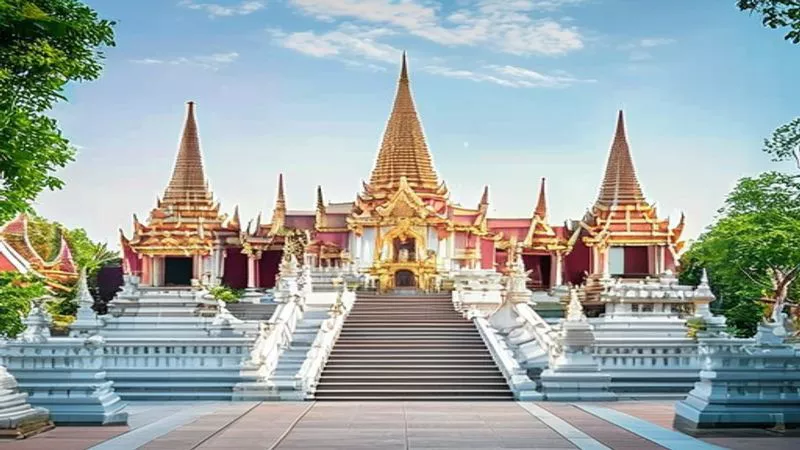
10 ngôi chùa đẹp nhất Thái Lan đáng ghé thăm năm 2026
Danh sách 10 ngôi chùa đẹp nhất Thái Lan từ Bangkok, Chiang Mai, Chiang Rai đến Ayutthaya, Sukhothai và Krabi, kèm gợi ý lộ trình cho du khách Việt.
Phật giáo Thái Lan cho người mới: Hướng dẫn dành cho du khách Việt
Tìm hiểu Phật giáo Nam tông ở Thái Lan: khác gì Phật giáo Việt Nam, làm phước, sư sãi, ý nghĩa trong chùa, lịch lễ và cách thể hiện sự tôn trọng.
Loy Krathong 2026: Cẩm nang lễ hội ánh sáng huyền ảo của Thái Lan
Tìm hiểu lễ hội Loy Krathong và Yi Peng: ý nghĩa, nơi đón lễ đẹp nhất, cách tự thả krathong, phép lịch sự, kinh nghiệm lên kế hoạch và so sánh với Songkran.
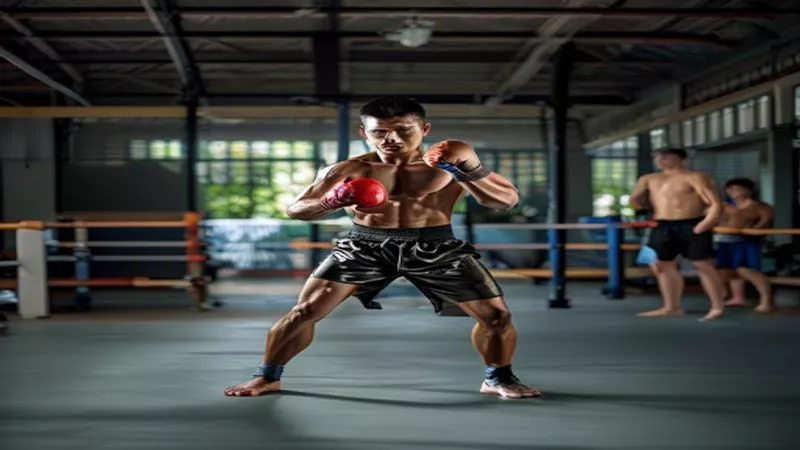
Tập Muay Thai ở Thái Lan 2026: Chọn trại tập và trải nghiệm
Hướng dẫn tập Muay Thai ở Thái Lan cho người Việt: chọn vùng, kiểu trại tập, một ngày tập điển hình, cách chọn trại, giữ sức khỏe và visa ở lâu.